

How to Talk About Mental Health with Your Doctor
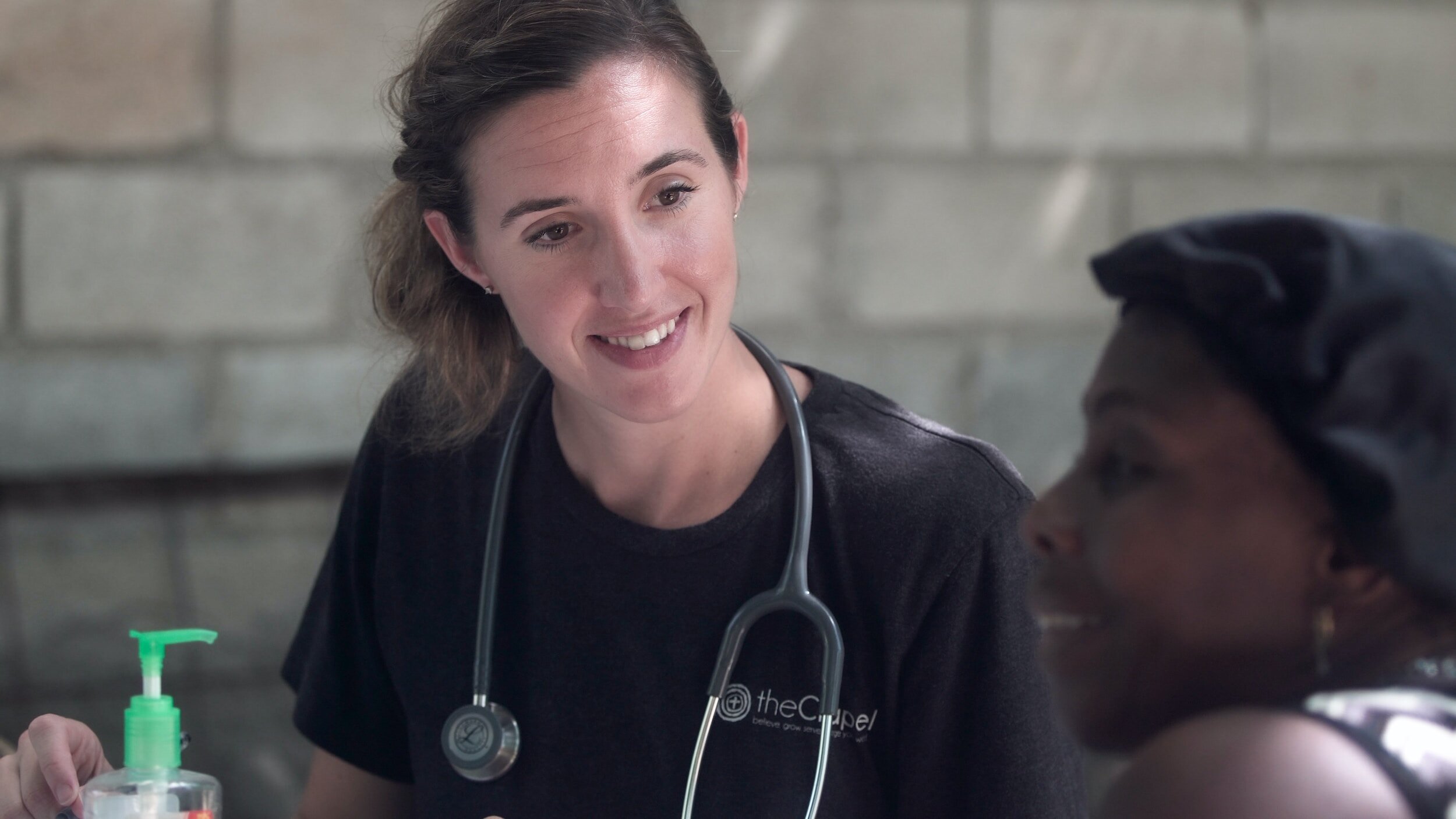
How to Discuss Mental Health Concerns with Your Primary Care Physician
Talking openly about mental health concerns is essential for getting the help and support you need. Your primary care physician (PCP) can be a valuable resource in addressing mental health issues alongside your physical well-being. This article provides tips on how to effectively communicate with your PCP about your mental health concerns in a comfortable and productive manner.
1. Prepare for the Appointment:
Before your appointment, take some time to gather your thoughts and prepare for the discussion:
- Reflect on your symptoms: Identify and jot down any specific mental health symptoms or changes in your well-being that you've been experiencing. This will help you provide clear and accurate information to your PCP.
- Note your concerns: Write down any questions or concerns you have regarding your mental health. This will ensure that you address all your worries during the appointment.
2. Choose the Right Time:
When scheduling your appointment, try to allocate enough time for a comprehensive discussion. Inform the receptionist that you would like to discuss mental health concerns, as this may influence the length of the appointment.
3. Establish Trust and Openness:
Building a trusting relationship with your PCP is crucial for effective communication. Here's how you can establish trust:
- Be honest and open: Share your feelings and experiences without hesitation. Remember that your PCP is trained to handle mental health concerns and will approach your discussion with care and confidentiality.
- Express your concerns: Clearly communicate your worries and any specific symptoms you've noticed. Your PCP needs accurate information to provide appropriate guidance and treatment options.
4. Be Specific and Detailed:
When discussing your mental health concerns, provide as much detail as possible to help your PCP better understand your situation:
- Describe your symptoms: Explain how you've been feeling, including changes in mood, sleep patterns, appetite, energy levels, or any other emotional or behavioral changes.
- Share relevant context: Discuss any life events, stressors, or triggers that may be contributing to your mental health concerns. This additional information helps your PCP develop a comprehensive understanding of your situation.
5. Ask Questions and Seek Clarification:
Don't hesitate to ask questions and seek clarification during your appointment:
- Inquire about treatment options: Ask about potential treatment approaches, such as therapy, medication, lifestyle changes, or referrals to mental health specialists. Understand the benefits, risks, and potential side effects of each option.
- Discuss follow-up plans: Determine how your PCP will monitor your progress and the timeline for reevaluation or additional appointments.
6. Collaborate in Developing a Plan:
Work together with your PCP to create a plan of action that aligns with your goals and preferences:
- Set realistic expectations: Understand that mental health improvements take time and may require a combination of interventions. Your PCP can help you navigate this process.
- Discuss self-help strategies: Inquire about self-care practices, such as exercise, stress management techniques, relaxation exercises, or support groups, which can complement any recommended treatments.
Now you know:
Talking with your primary care physician about mental health concerns is a vital step in seeking support and finding effective solutions. By preparing for the appointment, establishing trust, providing specific details, asking questions, and collaborating on a plan, you can have a productive and empowering discussion that sets you on the path to improved mental well-being. Remember, your PCP is there to support you, so don't hesitate to reach out and start the conversation.
