

Why Mezzo Solutions Left Social Media

For six years, Mezzo Solutions lived in the usual places. Facebook. TikTok. LinkedIn. A few more, because the internet loves options.
We posted educational content. We encouraged healthier self-talk, steadier helping, and the kind of emotional common sense that keeps a person from turning into a crispy husk by Thursday afternoon.
Some of it worked. Some of it helped. And then we made a shift.
In late 2025, we started asking a practical question: are we spending our limited creative energy in the place that best serves the people we are here for?
On January 30, 2026, we deleted and deactivated our social media pages, with one exception, YouTube, where many of our longer educational videos remain available.
This article is not a takedown of social media, and it is not a moral statement about people who use it. If you use social media, you are not “bad.” If you avoid it, you are not “better.” You are a human being trying to connect, learn, and keep going in a world that is loud on purpose.
What changed for us was simple: we want to be more connected to people in real time, and we want to support and teach in a format that can actually hold nuance.
The decision in one sentence
We left social media so we could put more of our time into in-person and live virtual connection, and into long-form education that supports real learning, not just quick consumption.
What we learned about “helpful posts”
We do not regret creating resources for social media. We know some people found them at exactly the right time. A short post can be a small hand on the shoulder. A quick video can normalize a hard feeling. A graphic can remind someone to drink water and unclench their jaw.
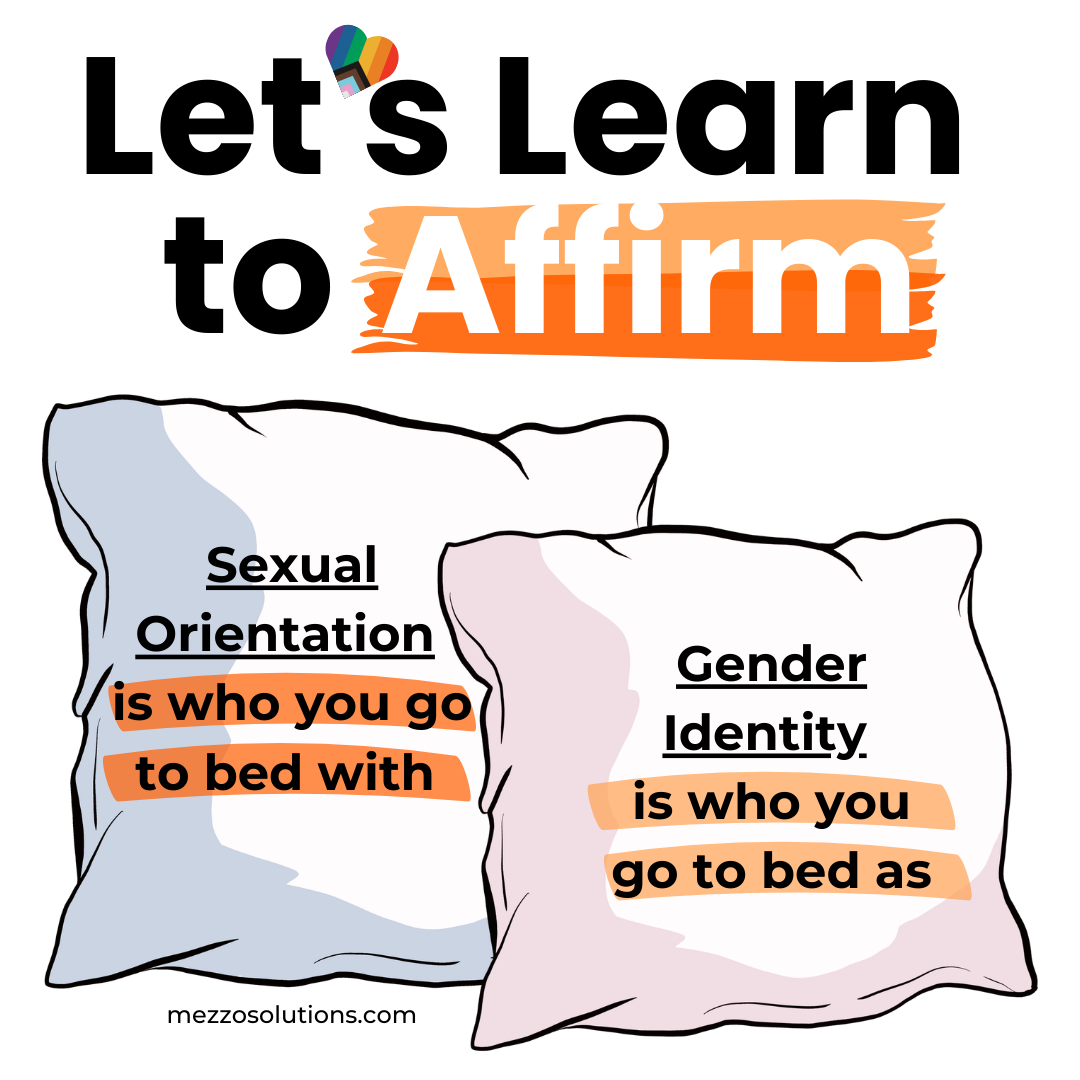
But over time we noticed something important about the kind of work we are called to do.
We are here to support helpers, organizations, and individuals seeking therapy. These groups often need more than a spark. They need practice. They need reflection. They need a chance to ask questions. They need the kind of learning that can be revisited after a rough week, or a difficult meeting, or a night where sleep did not show up.
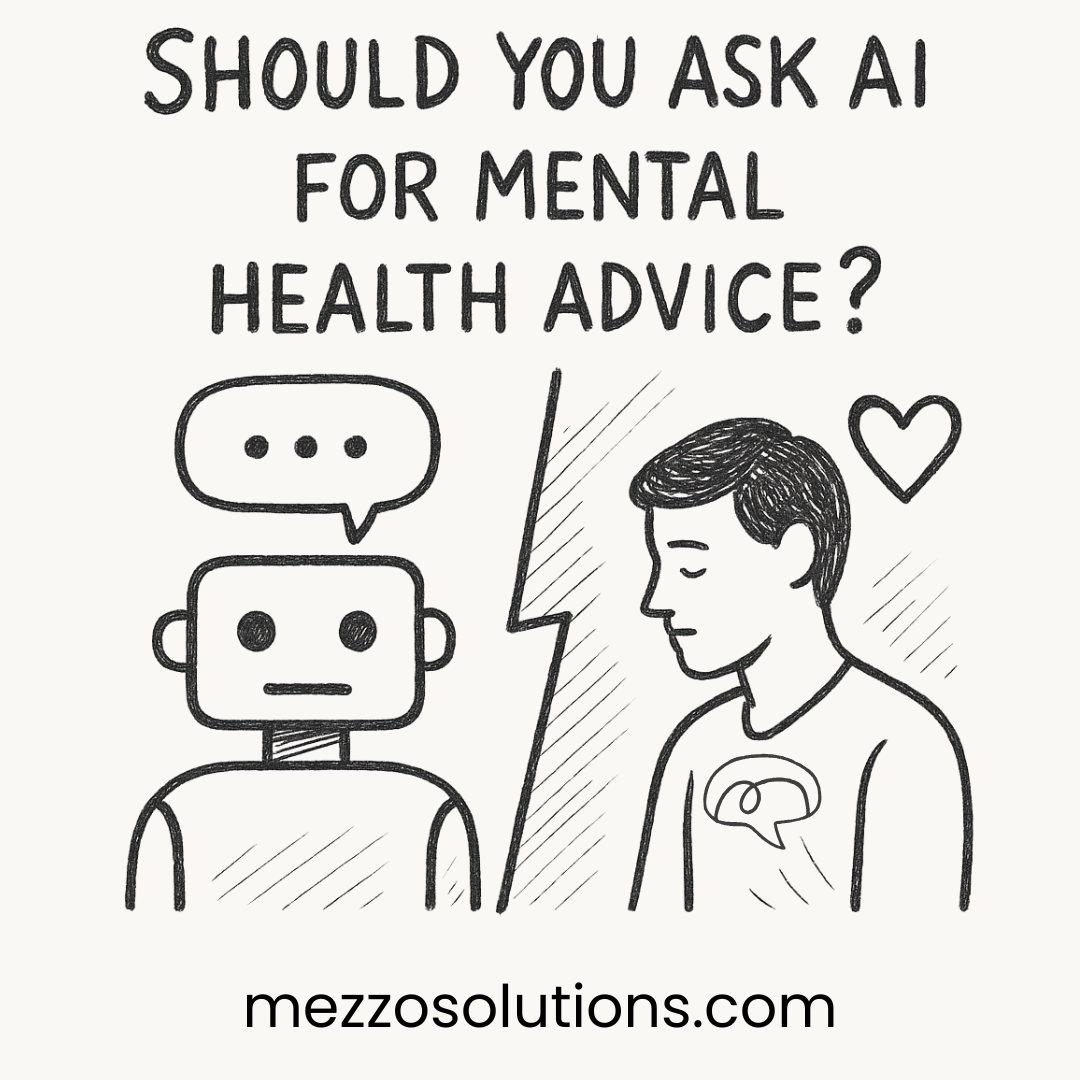
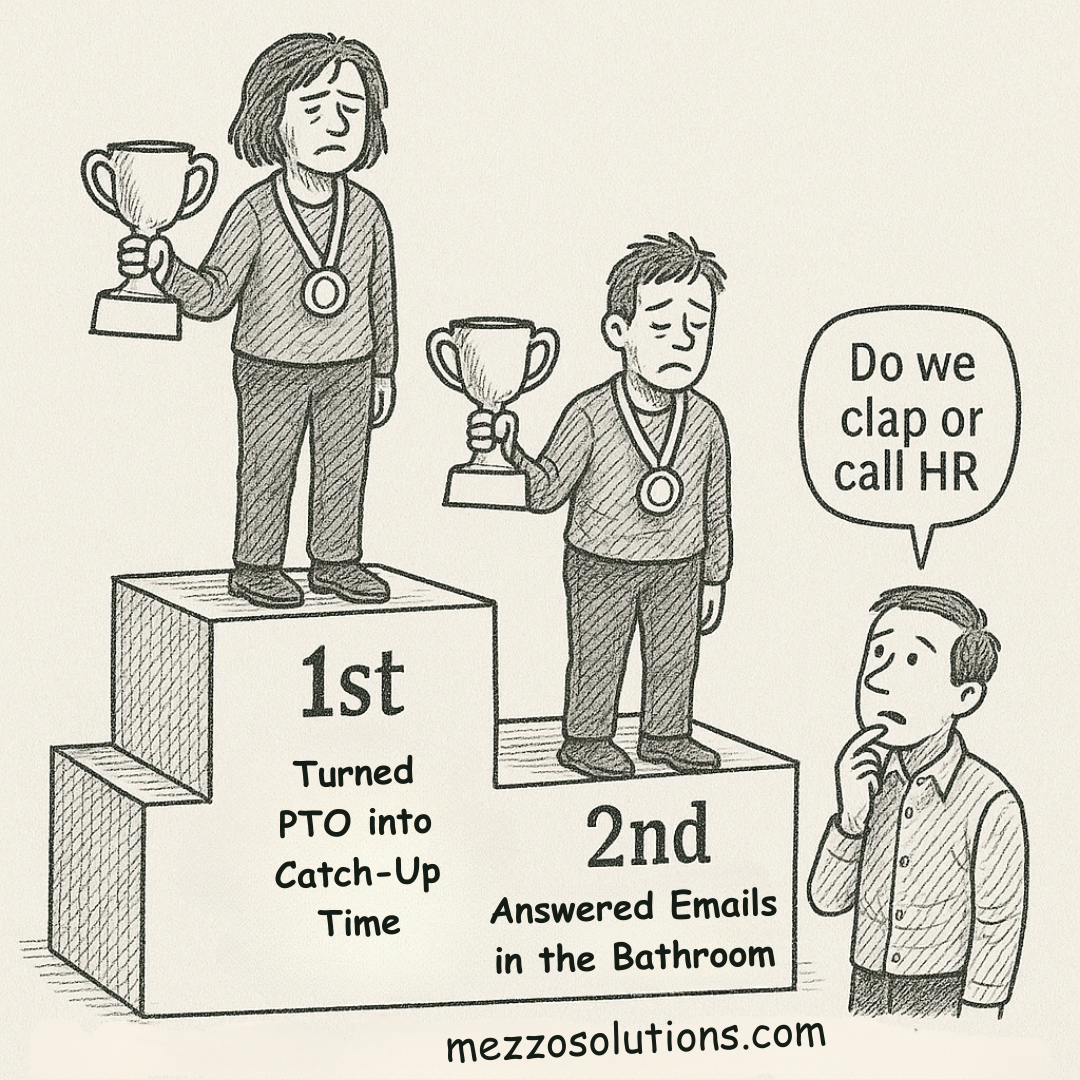
Short-form content struggles with that.
It also struggles with context. We had moments where our content was used out of context, and sometimes even in the opposite direction of what we intended. That is not a complaint about people. It is a predictable result of trying to teach nuanced topics in a space built for speed.
We also saw a very practical outcome: social media was our lowest converting path into deeper learning on our website. In other words, the people most likely to benefit from the full resource often never made it to the full resource.
That helped clarify what we truly wanted.
What we want instead: more real-time connection
We want to be more engaged through in-person and live connection rather than through posts.
Because live connection does things that posts cannot.
In-person and live virtual spaces allow for:
questions in real time, not three days later in a comment section
clarification when something is misunderstood
nuance, which is what makes education ethical
shared reflection, which is where learning tends to become behavior
community, the healthy kind, the kind that does not require you to perform
This shift also fits how Mezzo Solutions is built as a brand. We have always tried to be both warm and guiding, the caregiver and the sage, support plus clarity. That voice shows up best when we can teach with depth and relate to people as whole humans, not as metrics.
Why long-form education matters to us
We are moving away from the idea that education should be a bite-sized glimpse. We are moving toward education that helps people build skills.
Long-form education gives us room to:
explain the “why,” not just the “what”
include practical steps and realistic examples
hold complexity without turning it into a slogan
invite reflection without rushing it
offer tools people can actually return to and use again
This is why we are investing more in:
in-person trainings and workshops
live virtual learning experiences
on-demand education designed to be revisited
long-form writing and long-form video, including resources in The Helper’s Field Guide
therapy access and clearer pathways to support
partnerships and referrals that help people connect to care sooner
In plain terms, we want to do less broadcasting and more helping.
The opportunity cost we could not ignore
Creating social content takes time. It takes design time, writing time, editing time, scheduling time, and the kind of attention that is hard to get back once you have spent it.
We created content internally, and it required a lot of labor. That meant some deeper projects moved slower than they should have. Some partnerships took longer to build. Some resources stayed on the idea list when they should have been in people’s hands.
We decided we would rather use that same energy to build experiences where people can learn, connect, and leave with something they can actually use on Monday morning.
What we want people to understand
We are not gone.
We are not mad.
We are choosing to show up in a way that better matches our mission, helping the helpers, supporting mental health, and offering learning that sticks.
If this choice makes you feel curious, reflective, or even a little relieved, that makes sense.
If it makes you feel judged, that is on us to say more clearly: this is not a demand that anyone copy our decision. It is simply an explanation of what we are building, and why.
Where to connect with Mezzo Solutions now
If you want to stay connected, here are the best places:
our website, for resources and updates
our newsletter, for a calmer, slower way to stay in touch
trainings, in-person, live virtual, and on-demand
therapy services and therapy availability updates
referrals and community partner connections
YouTube, for long-form educational videos
A call to action
If you want to stay up to date on upcoming trainings, new long-form resources, and therapy availability, join our newsletter (enter your email in the form at the bottom of this page).
It is the low-noise option. No scrolling required. Just a steady line back to the work.
