

High-Potency Cannabis: What’s Changed, Why It Matters, and How Communities Can Respond

Somewhere in America, a well-meaning adult is still picturing a lumpy green baggie and a hand-rolled joint.
Meanwhile, today’s cannabis marketplace is offering products that look like candy, soda, vape pens, wellness tinctures, and “we swear it’s hemp” gummies with alphabet-soup THC labels.
If you work in prevention, schools, social services, healthcare, or a coalition, you already know how this goes. The public conversation gets loud. People get dug in. Someone says “it’s natural,” someone else says “it’s dangerous,” and then everybody leaves with the same amount of confusion they walked in with, plus a little extra tension.
This article is here to do something simpler and more useful: replace stigma with clarity, and give helpers a few practical ways to respond without turning your next community meeting into a reality TV special.
What actually changed, in plain English
The big shift is not just legality. It’s commercialization.
When a substance becomes a mainstream product, the market does what markets do. It competes on convenience, novelty, and intensity. Cannabis is no longer just “flower.” It’s vapes, concentrates, edibles, drinks, and products engineered to deliver a lot of THC quickly, or quietly, or both.
Potency matters because it changes the margin for error. When people dose today’s products like they are dosing a memory from 2003, the odds of “whoa, I took too much” go up.
The “form” is part of the risk
In prevention work, we often talk about “the substance.” The marketplace wants us to forget “the delivery system.”
A few examples that show up in communities right now:
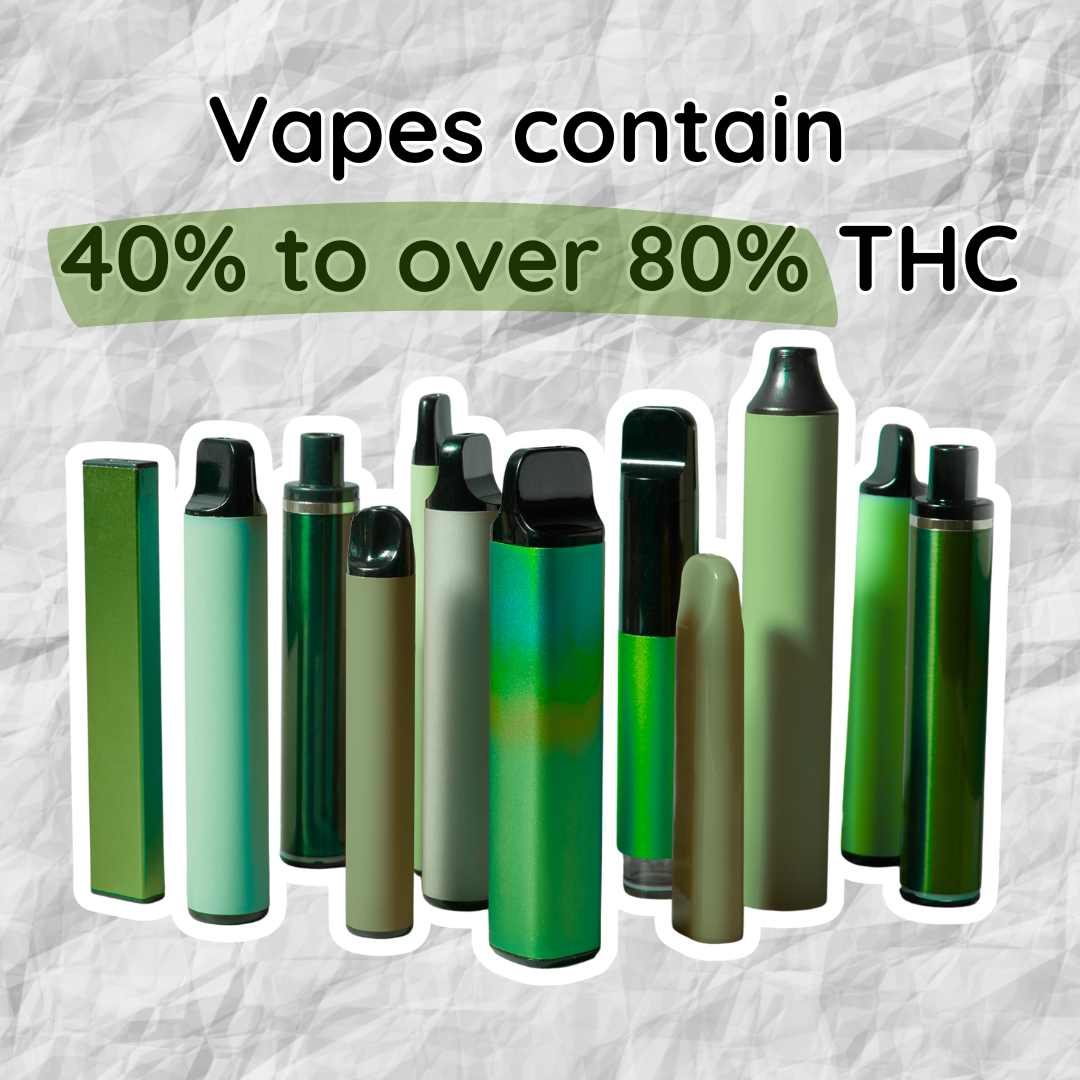
THC Vapes and Cartridges
Fast, discreet, often high THC, easy to use before someone realizes how impaired they are.
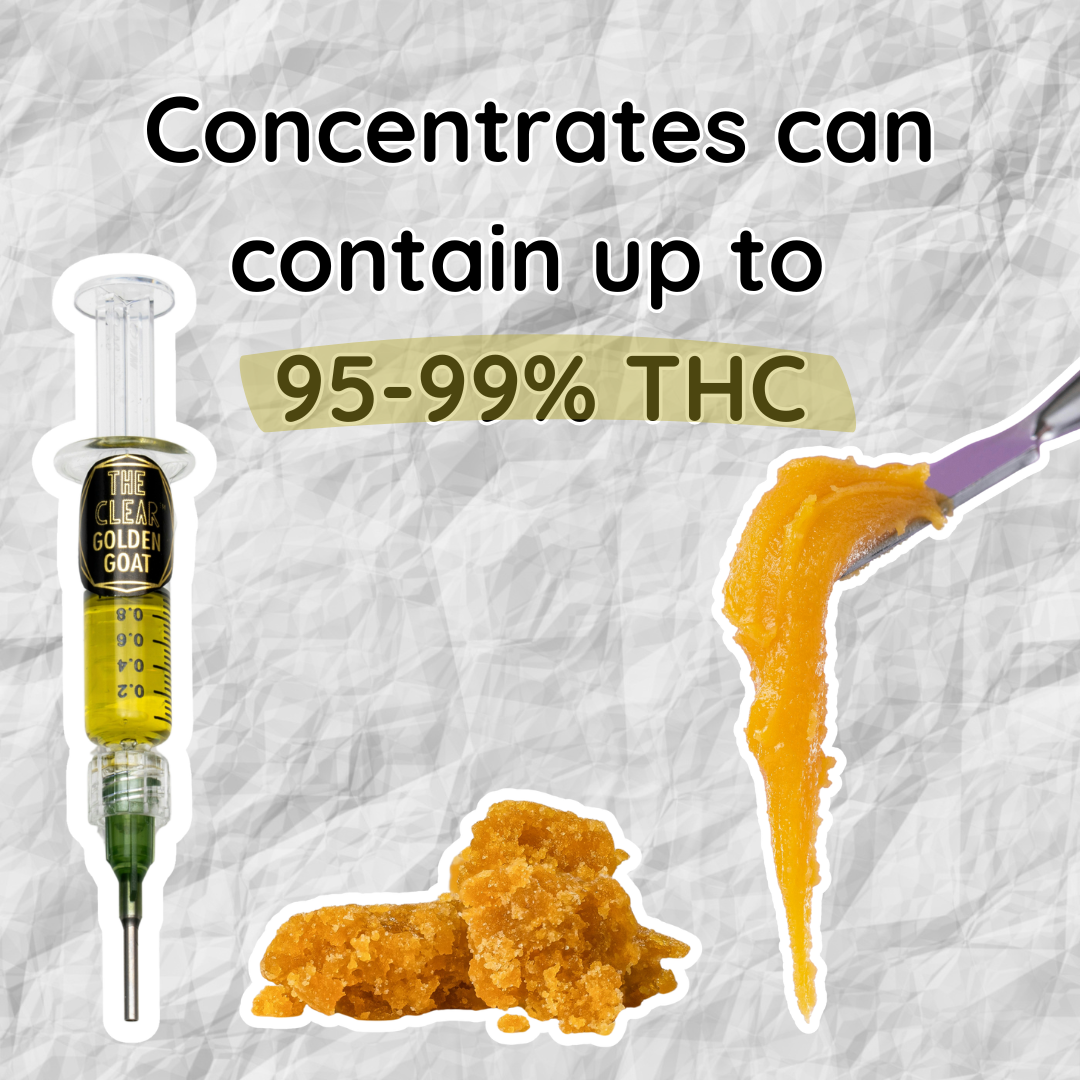
THC Concentrates
These products that can be extremely THC-dense, designed for rapid delivery, and easy to overshoot.
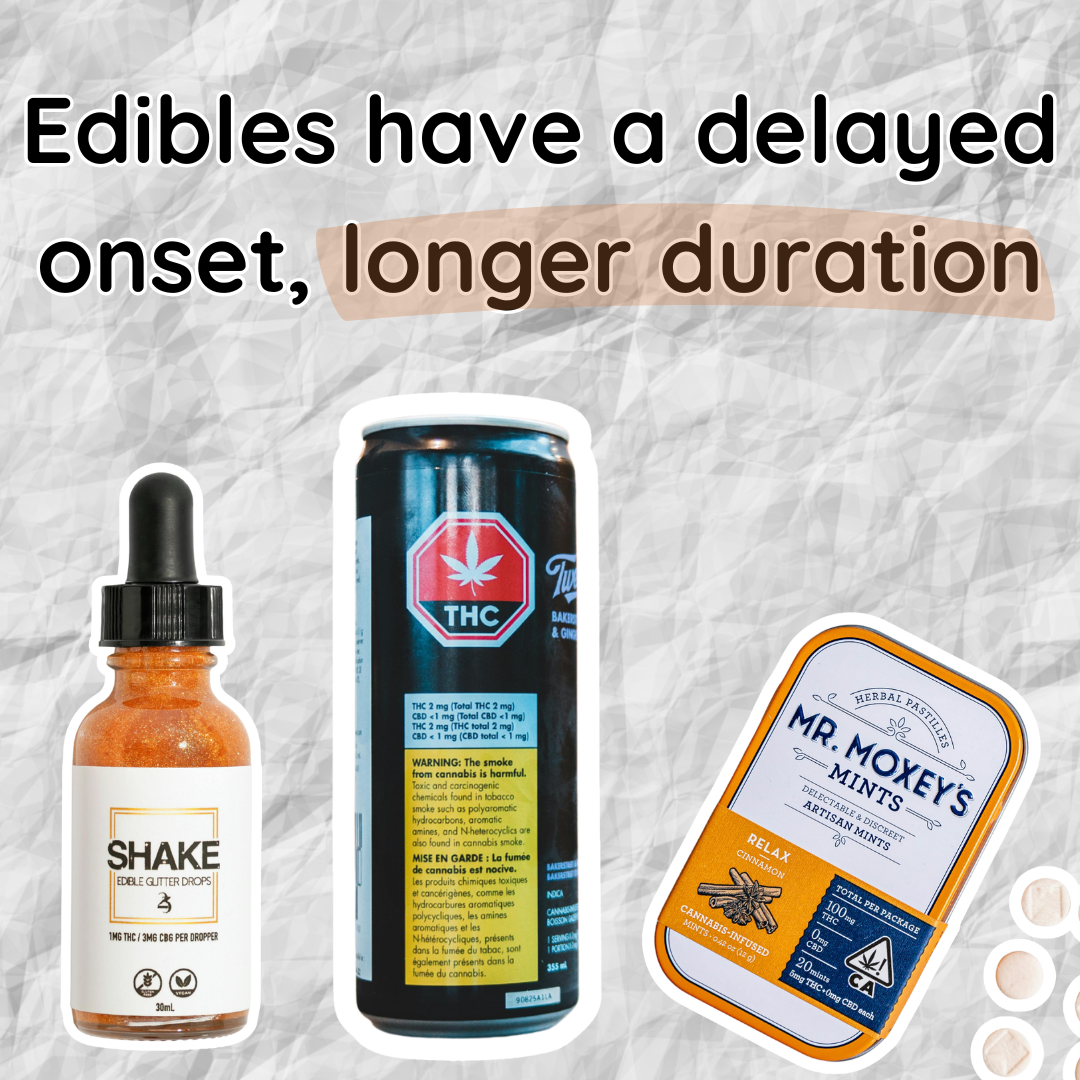
THC Edibles and Drinks:
Delayed onset, longer duration, and a higher chance of accidental overuse because people assume it “isn’t working yet.”
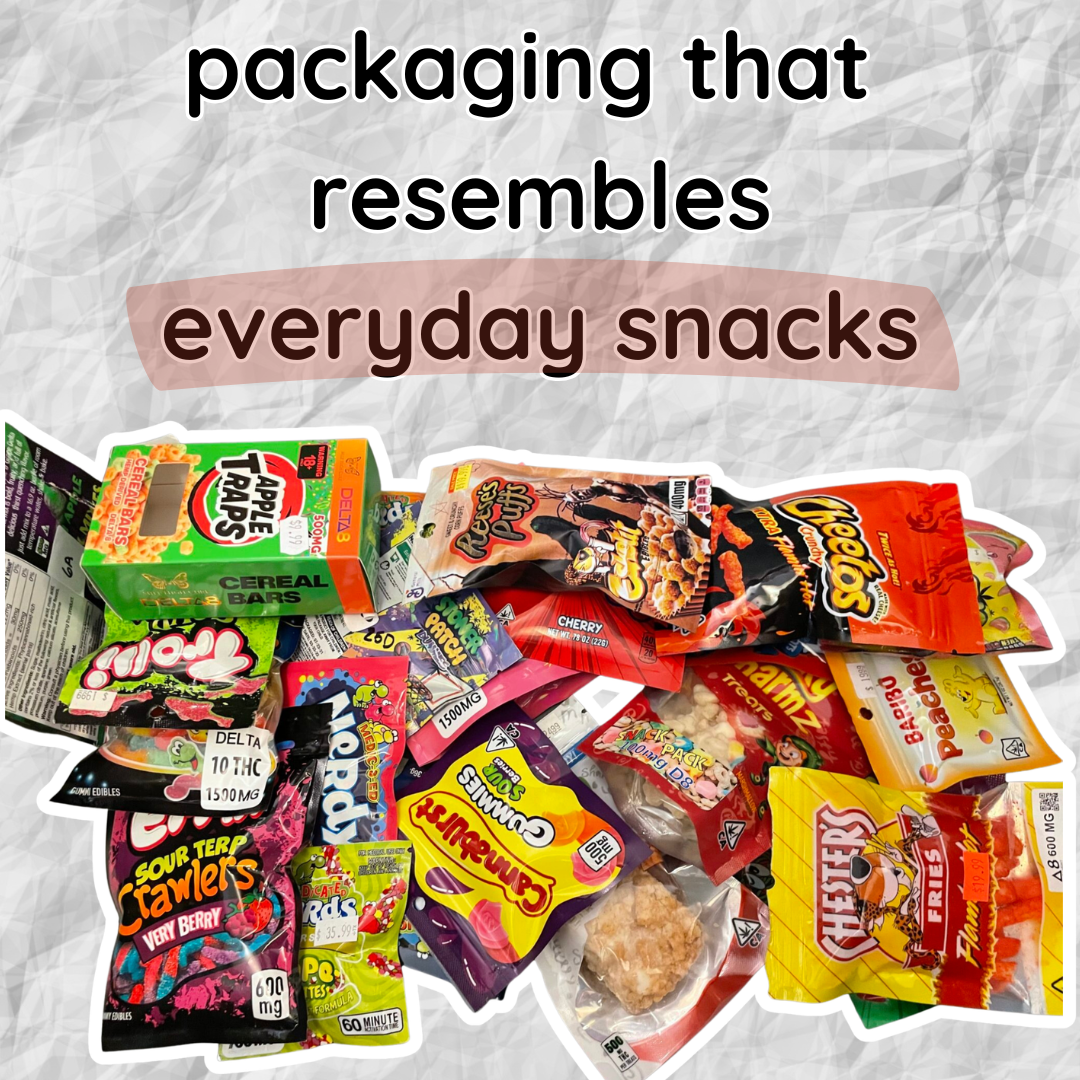
THC Look-alike Consumables
Packaging that resembles everyday snacks or pantry items, which increases confusion and accidental exposure risk, especially in homes.
A quick word on “hemp,” the Farm Bill, and why everyone is confused
If your community has “delta” products in gas stations, smoke shops, or online carts, you are not imagining things.
Federal hemp rules created a pathway where products can be marketed as hemp while still being intoxicating, depending on the THC variant and how it is produced or concentrated. The result is a retail environment where many people cannot tell what they are looking at, and many retailers are not fully sure what rules apply.
From a helper’s standpoint, the practical takeaway is not “memorize every cannabinoid acronym.” It’s this:
If it is sold as a casual consumer good, marketed like candy or wellness, and labeled with THC variants most people have never heard of, your community will need a clear, calm way to explain what it is and why guardrails matter.
When someone “greens out,” what helpers can do
“Greening out” is community slang for taking too much THC and having an acute bad time, nausea, dizziness, vomiting, rapid heart rate, panic, paranoia, feeling uncoordinated, feeling like you are not in charge of your body anymore.
If you are supporting someone in that moment, the goals are simple:
Reduce panic and keep them safe.
Move to a quieter, calmer space.
Encourage slow, steady breathing.
Hydrate and rest.
Avoid adding more substances, especially alcohol.
If symptoms are severe, if there is chest pain, trouble breathing, repeated vomiting, worsening confusion, fainting, or it involves a small child, treat it like a medical situation and get help.
This is also a prevention message worth repeating: “Not fatal” is not the same as “no harm.” Impairment still leads to accidents, risky decisions, missed school, worsened anxiety, and real consequences.
The quiet risk that does not stay quiet, impaired driving
Cannabis impairment tends to get minimized in everyday conversation, sometimes because people feel “fine,” sometimes because the culture treats it as safer by default.
But impairment affects reaction time, attention, and decision-making. If your coalition can move one community norm this year, “driving after cannabis is impaired driving” is a strong candidate.
What helps communities respond without spiraling into shame
Here are a few “doable” moves that do not require a massive budget or a new committee that meets forever.
Build shared language
Your community needs a short set of phrases that are accurate and non-judgmental. Not slogans, just plain truth. For example: products have changed, potency has changed, and form affects risk.Focus on protection, not punishment
Caregivers and trusted adults still shape norms. The most useful messages are often boring: open conversations, clear boundaries, consistent expectations, and safe storage. Boring saves lives.Treat packaging like a safety issue, because it is
If THC looks like food, it will be treated like food by someone who cannot read. Communities can advocate for guardrails and can educate families on storage in the meantime.Make it easy to act
Give partners simple “plug and play” options, a campaign week, a lunch-and-learn, a parent night, a short newsletter insert, a social media series that is calm and factual. Consistency beats intensity.Keep your eye on policy guardrails
Whether laws change or loopholes tighten, communities do better when they advocate for clear standards around packaging, labeling, age limits, where sales happen, and how public health data is monitored.
A few reflection questions
In the communities you serve, what product types are showing up most often: vapes, edibles, flower, hemp-derived THC variants, or something else?
Where are adults still operating on outdated assumptions, and what is one gentle way to update the picture?
If you could shift one norm in the next six months, what would it be: safe storage, delayed onset education, or no impaired driving?
Who are your natural messengers: schools, pediatric offices, faith communities, employers, youth groups, recovery community leaders?
Call to action: bring clarity to your people
If your organization, coalition, or community group is trying to navigate high-potency cannabis without leaning on scare tactics or stigma, this is exactly what our in-person or virtual training is built for.
It is designed to help helpers stay grounded in what is changing, what that means in real life, and what practical steps communities can take next.
We also offer live virtual options through our website when they are scheduled, so individuals and teams can join from wherever they are, learn together, and bring the conversation back home with shared language and next steps.
