

Mindfulness Podcasts to Reduce Stress and Build Calm
Mindfulness has a funny PR problem. A lot of people hear the word and picture a silent mountaintop, a perfectly calm person, and zero emails. Meanwhile, the rest of us are trying to breathe deeply while a phone buzzes, a meeting starts, and someone asks what’s for dinner.
That’s why podcasts are such a good doorway. You can learn from experienced teachers, try short practices, and hear honest conversations about what it’s like to be human, all while you’re driving, stretching, or washing dishes.
Below is a curated list of mindfulness podcasts that are widely followed, easy to sample, and genuinely useful. I grouped them by what they tend to offer, so you can pick what fits your life instead of forcing your life to fit a practice.
How this list was chosen
This isn’t a ranked list. Different people need different doors. These shows were selected because they:
focus clearly on mindfulness, meditation, and contemplative practice
have consistent publishing or a strong back catalog
are hosted by identifiable creators or reputable institutions
offer something you can try quickly, not only ideas to admire
*Links to each podcast are embedded in their images below.
If you want mindfulness that feels practical and modern
10% Happier with Dan Harris
A popular show built for people who want mindfulness without the woo. Expect smart conversations that bridge meditation, behavior change, and everyday stress.
Practicing Human
Short, direct episodes that blend mindfulness teaching with practical reflection and simple practices.
If you want compassion-forward mindfulness and emotional healing
Tara Brach
Talks and guided meditations with a strong emphasis on self-compassion and working skillfully with difficult emotions.
If you mainly want guided practices you can press play on
12 Minute Meditation (Mindful.org)
Weekly, relatively short guided meditations from respected teachers. This is a great choice when you want something bite-sized and easy to return to.
Mindfulness Meditation from the Rubin Museum
A brief reflection inspired by a work of art, then a guided meditation led by an experienced teacher, often around 20 minutes.

UCLA Mindful
University-based guided meditations with a calm, clear style, great when you want less talk and more practice.
Meditation Minis
Short guided meditations, often under 10 minutes, designed for busy days.
Daily Meditation Podcast
Frequent guided meditations organized around themes like sleep, stress, confidence, and focus, with lots of options to match what you need this week.
If you want lovingkindness, Dharma storytelling, and wiser companionship
The Way Out Is In (Plum Village)
A warm, steady conversation that mirrors Thich Nhat Hanh’s teachings. Hosted by Brother Phap Huu and Jo Confino, it explores themes like silence, collective healing, and foundational teachings.
Metta Hour
Interviews with meditation teachers, educators, caregivers, and researchers, often touching anxiety and compassion practices.
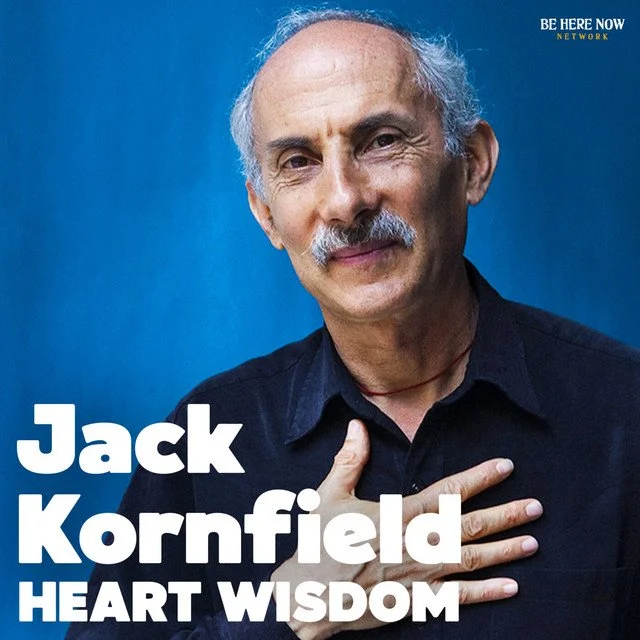
Heart Wisdom with Jack Kornfield
Dharma storytelling and contemplative psychology, for when you want practices plus meaning.
Optional, for listeners who want more traditional dharma talks
If you want more Buddhist-rooted talks that are still approachable, The Mindful Counselor recommends options like Secular Buddhism and Audio Dharma, plus monastery talk feeds.
A quick, caring note:
Mindfulness can be supportive, but it isn’t a substitute for mental health care. For people with trauma histories, some practices can bring up intense sensations or memories. If that happens, shorter practices and grounding strategies can help, like keeping eyes open or focusing on sounds in the room. If you’re unsure, working with a qualified clinician can be the safest next step.
