

What We Have Been Up To - Mezzo Solutions Q1 2026 Update
A First-Quarter Update from Mezzo Solutions
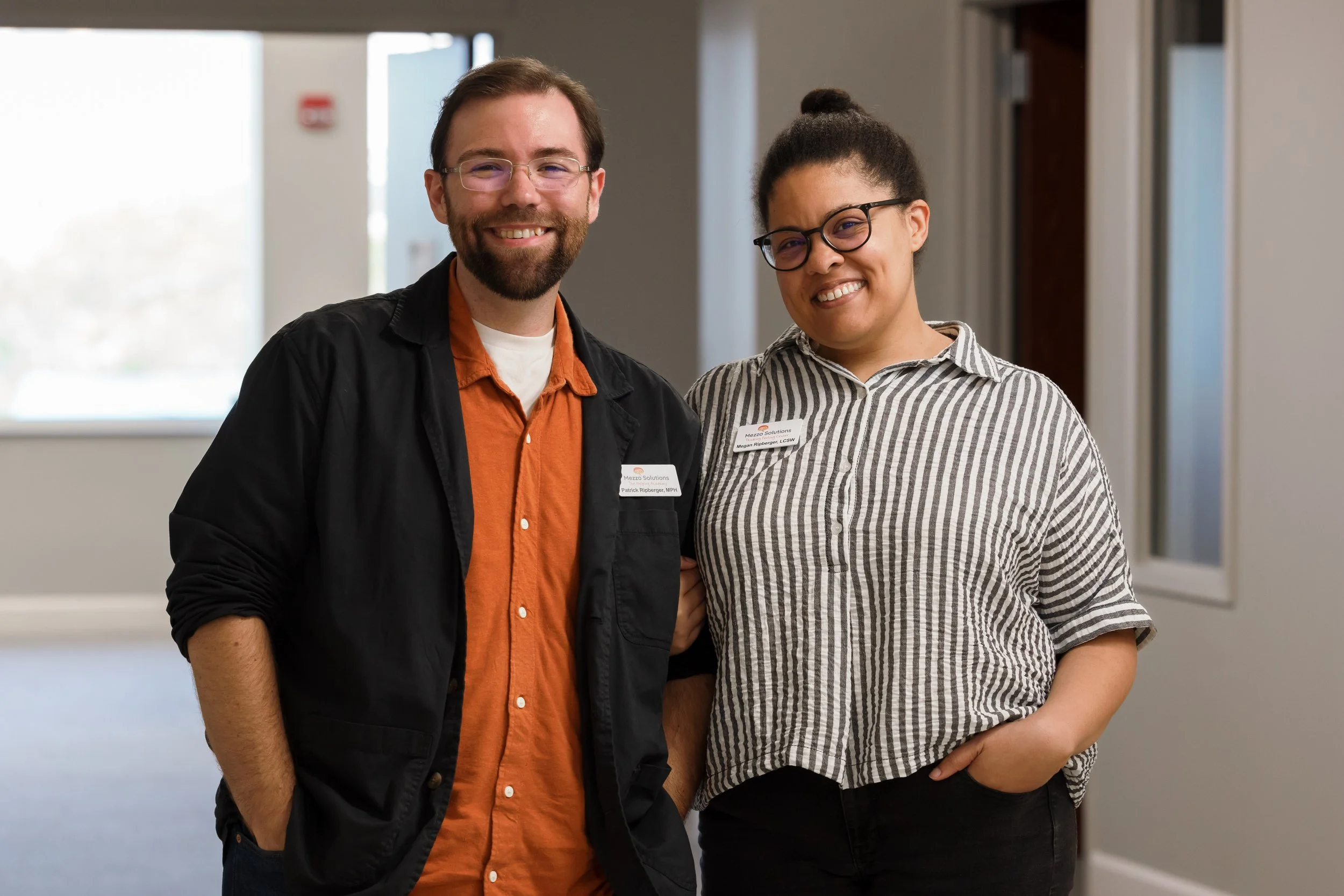
Photo by Liz Kaye, Indiana University
Spring arrives in Richmond a little tentatively, the way most good things do. It does not announce itself. It just shows up one morning and the air is different, and you realize something has changed while you were busy working.
That feels about right for where Mezzo Solutions is right now. A lot has been in motion this quarter. Some of it is visible, some of it is still in the making. All of it is pointed in the same direction: toward helping professionals who do hard work and deserve real support, and toward the communities they serve.
Here is a look at what has been happening across our programs.

Building the Library, Building the Community
The Helping Academy exists for one reason: helping professionals are doing some of the hardest relational work on the planet, and too often they are doing it without the kind of learning community that matches the weight of that work. This quarter, we have been building toward that.
Workshop Development
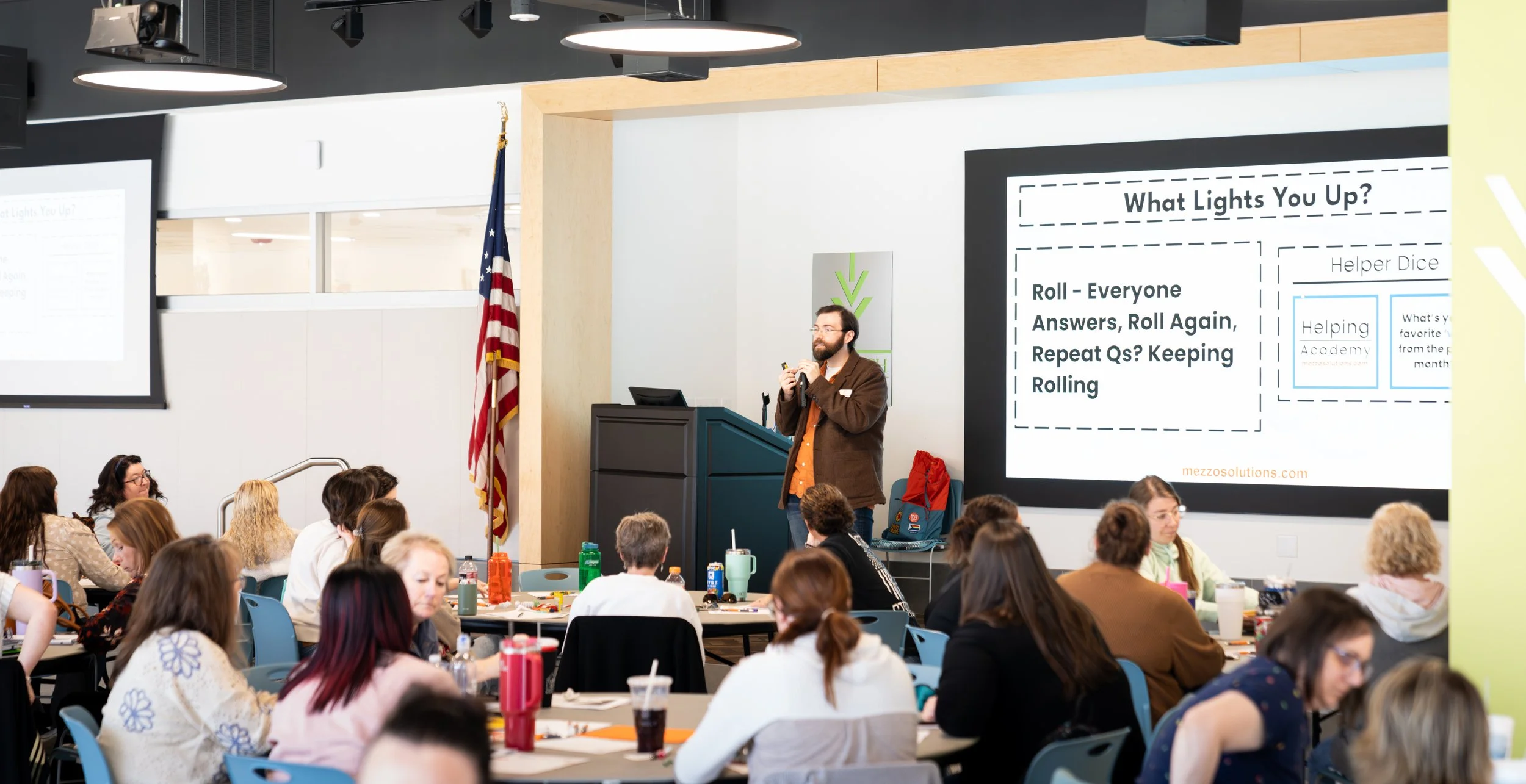
We have a burnout and compassion fatigue training in active development for spring, built in collaboration with a regional health education partner. The content is grounded in the research that has shaped the field, including Charles Figley's foundational framework on secondary traumatic stress and Christina Maslach's burnout model, and it is designed for helping professionals who are functioning at a high level but may be running low.
Burnout is not proof of dedication. It is a signal that the conditions of the work have become unsustainable. Our training is built around that distinction.
We will share scheduling details with partners as they are finalized. If your organization is navigating elevated turnover, staff fatigue, or the aftermath of a particularly hard stretch, this training is designed with you in mind.
Educational Content and Creative Resources

On the content side, we have been building out The Helping Academy's (The Helper’s Field Guide) educational library in ways we are genuinely excited about:
A 365-day reflective journal rooted in contemplative practice, designed to support daily reflection for helping professionals across the arc of a full year.
Running on Empty, a zine on burnout and compassion fatigue developed as both a teaching tool and a downloadable resource. Grounded in peer-reviewed research, it is built to be the kind of thing a social worker actually reads. Volume 01 is complete, with future volumes in development covering vicarious trauma, supervision as a wellness tool, and moral injury.
The Helping Academy newsletter, a bi-weekly resource for helping professionals covering research, practical tools, and honest conversations about the work. Topics in the pipeline include secondary traumatic stress, AI ethics in clinical practice, the Counseling Compact and telehealth policy, school mental health, and moral injury frameworks.
A digital wellness reflection tool, now embedded on the Mezzo website, offering helping professionals a structured space for self-assessment across three domains: meaning, exhaustion, and secondary trauma. It is explicitly framed as a reflective guide, not a clinical instrument.
These projects sit at the intersection of evidence-informed content and creative craft. They are designed to be useful, readable, and honest. We expect to share them with partners as they come to completion.

Clinical Practice, Community Connection, and the Pipeline
Therapy Services and Client Care
This quarter, the Thinking Feeling Center has been actively engaged in the full rhythm of clinical practice. That means intakes. It means meeting new clients where they are, building rapport, assessing needs, and figuring out together what the work will look like. It means showing up consistently for the people already in our care, doing the kind of ongoing therapeutic work that does not make headlines but genuinely changes lives.

Virtual Therapy Sessions

In-Person Therapy Sessions
We are deliberate about how we build our caseload and how we think about capacity. Sustainable practice is not just a workshop topic for us. It is an organizational value we try to live inside the practice itself. That means thoughtful intake processes, realistic scheduling, and the kind of clinical supervision structure that keeps everyone doing their best work.
The Private Practice Directory: A Regional Resource
One of the contributions Megan has been making to the regional behavioral health landscape is the private practice directory, a resource she created and continues to maintain for the region. In a time when finding a therapist who is actually accepting clients can feel like a part-time job, having an accurate, current, locally maintained directory matters.
Megan built the directory because the gap was real. People were calling around, hitting waitlists, giving up. A well-maintained regional resource changes that calculus.
University Partnership and Student Development
One of the things we are most proud of this quarter is the work our team has been doing alongside students in Indiana University's Social Work and Psychology programs. Training the next generation of helping professionals matters to us, and that commitment is showing up in concrete ways.
Cheyenne Rogers, IU East Psychology Student
Cheyenne Rogers, one of our students, developed a six-week college stress reduction series designed to meet students where they are. The series covers time management, burnout prevention, mindfulness, and practical daily life skills. It has been running weekly in Richmond, and the response has been exactly what you would hope for: students showing up, staying engaged, and leaving with something they can actually use.
Cheyenne built something real. A structured, evidence-informed series that treats college students like the capable people they are, rather than talking down to them about self-care.
We are proud to share that we are planning to present this series at an upcoming university summit. The six-week model has the potential to serve as a replicable framework for other campuses, and we look forward to sharing what we have learned with a broader audience of higher education colleagues.
This work reflects something we believe deeply: the pipeline matters. Helping professionals who learn sustainable practice from the beginning carry those habits into their careers. Supervising and supporting students is not a side project. It is part of the work.
EpiFiles: Epidemiology as a Story-First Discipline
EpiFiles, our public health education platform, has been in active development this quarter. The foundational premise is a simple one that turns out to be harder to execute than it sounds: epidemiology is a story-first discipline. Data without narrative context does not move people. It does not change behavior, shift policy, or build understanding. It just sits there looking important.
We are building toward content that does both. New material is expected to begin publishing this spring, and we are looking forward to sharing it with the broader public health community.
Community and Regional Public Health Work
Our community engagement this quarter has been active on several fronts.
We continue to support local substance use prevention efforts and are engaged in education and capacity-building for regional partners working to thoughtfully and equitably distribute opioid settlement funds. These conversations matter.
How these resources get allocated will shape prevention, treatment, and recovery infrastructure in communities for years to come.
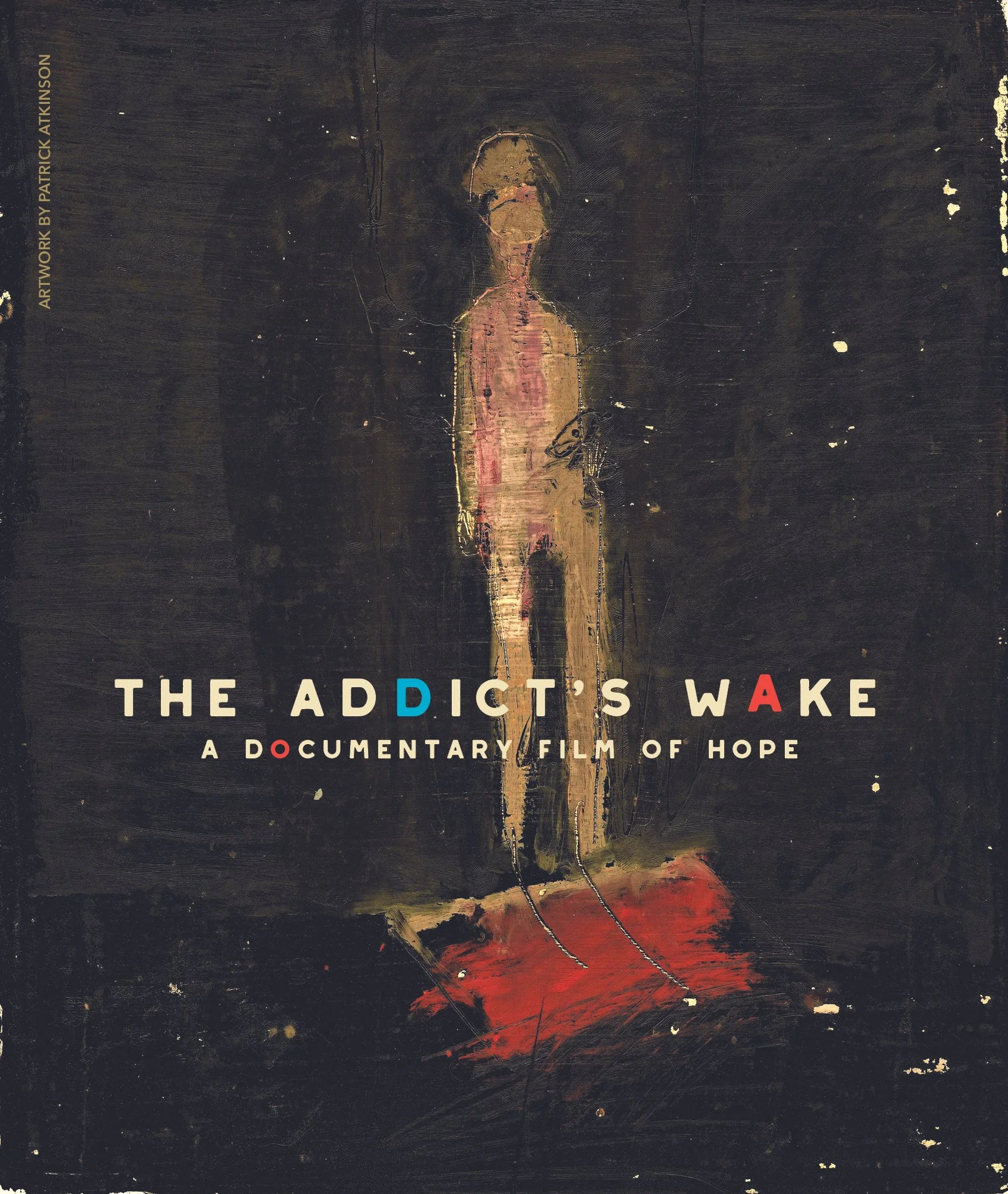
We are supporting the coordination of a community screening event this quarter pairing a film on addiction and recovery with a live resource fair, bringing together multiple organizations from across the county.
Moments like that one are reminders of what is possible when partners work in the same direction rather than around each other.
We are also proud to share that we have been supporting work at the national level in partnership with the CDC.
This collaboration reflects our commitment to connecting local expertise with broader public health priorities. We look forward to sharing more as that work develops.
Education and Workforce Development

Both Patrick and Megan are currently mid-semester in the classroom, and between the two of them, they are covering a lot of ground.
Patrick is teaching human services coursework this semester, approaching it the way we approach all of our content work: with the belief that engagement is not accidental. Narrative-driven instructional design, genuine attention to what actually helps students learn, and a commitment to treating the material as if it is connected to real people's lives, because it is. That orientation directly informs how we design professional training for helping organizations. The same principles apply at every level. If a course is not built to hold attention, it will not hold anything else either.
Megan is also teaching this semester, and in addition to her current courses, she is developing a statewide course for human service students focused on mental health education. This is significant work. A well-designed, widely distributed course can shape how an entire generation of students understands mental health, how they talk about it with clients, and how they care for themselves while doing it. We are excited about the reach that kind of curriculum can have, and we look forward to sharing more as that course takes shape.
A statewide course is not just a syllabus. It is an opportunity to change the baseline understanding of mental health for human service students across Indiana.
Taken together, this teaching work is not separate from what Mezzo does. It is part of it. Every course is a chance to model the values we talk about in our workshops: that helping professionals deserve good training, real engagement, and honest information about what the work requires.
Upcoming Training Events: Tickets Available Now
The Helping Academy has two live CEU trainings on the calendar this spring, both delivered via Zoom and open for registration now. Each carries 2 CEUs approved through the Indiana Behavioral Health and Human Services Licensing Board for LSWs, LCSWs, LMFTs, LMHCs, and LCACs. Tickets are $30.
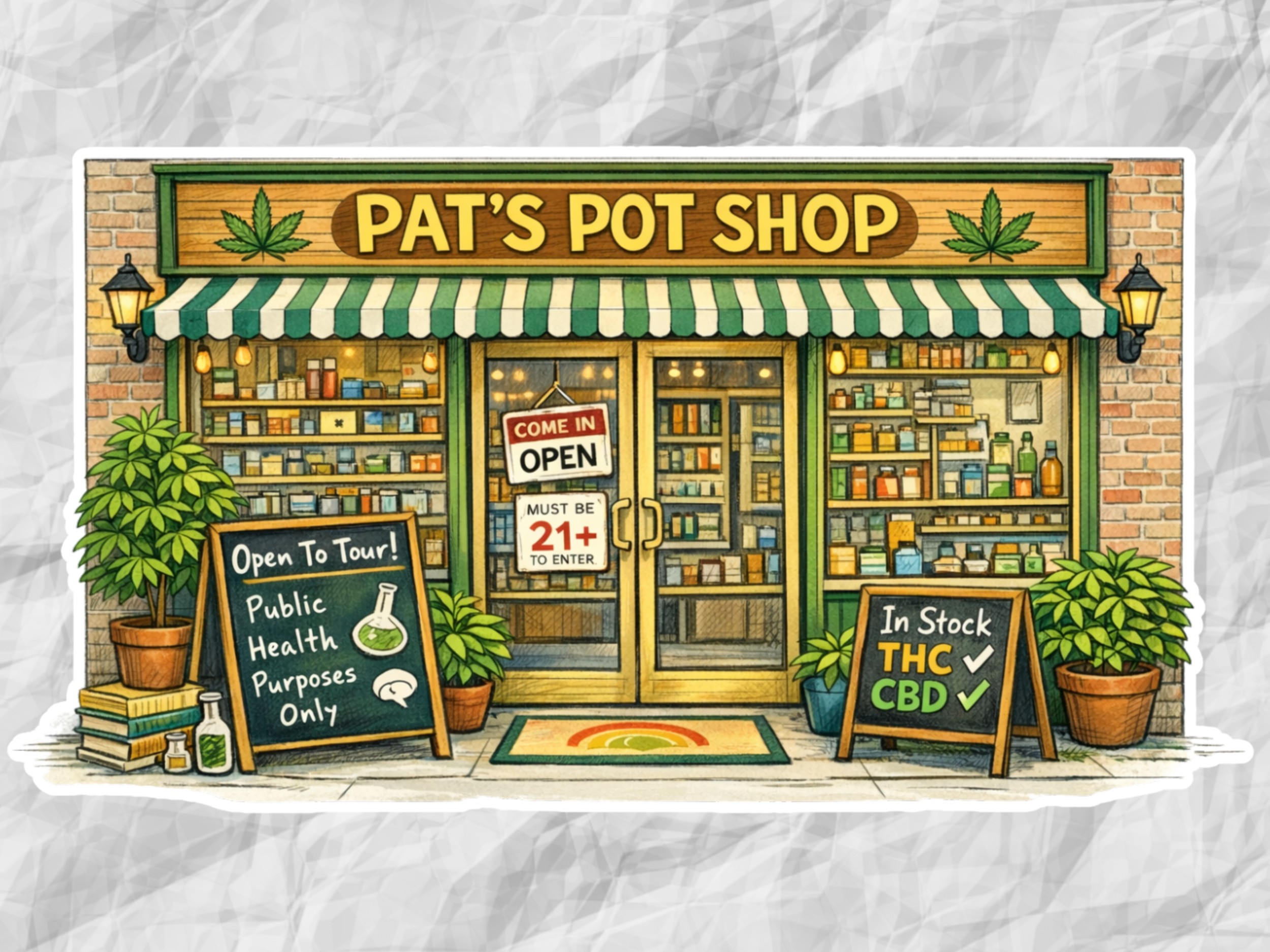
Marijuana: The Rise of High Potency THC Products
Available Dates: April 4 & 10
Cannabis has changed. The products on the market today, concentrates, vapes,
edibles, bear very little resemblance to what was available a decade ago. This two-hour training examines how commercialization and dramatically increased THC potency have reshaped the landscape, and what that means for the youth, families, and communities that helping professionals serve.
The session covers current product trends, the public health implications of higher THC concentrations, neurodevelopmental considerations for youth, and practical prevention and community response strategies. It is grounded in science and designed for honest, non-stigmatizing conversation. Patrick Ripberger, MPH, MCHES presents.
Two dates available: Saturday, April 4 (9:00 to 11:00 AM EDT) and Friday, April 10 (9:00 to 11:00 AM EDT).
Register at: mezzosolutions.com/events/marijuana-the-rise-of-high-potency-cannabis
Positive & Adverse Childhood Experiences (PACEs)
Available Dates: April 17 & 22
ACEs are common, they cluster, and their effects are cumulative. They are also not destiny. This training goes beyond the basics to help professionals understand both sides of the equation: how adversity shapes development, and how Positive Childhood Experiences (PCEs) build the resilience that changes trajectories.
Grounded in the ACE Interface curriculum and the landmark ACE Study research from Felitti and Anda at the CDC and Kaiser Permanente, the session covers the neuroscience of toxic stress, the dose-response relationship between ACE scores and health outcomes, epigenetics, and social determinants of health. It then pivots directly to the seven PCEs, resilience science, and what helpers can actually do with this knowledge in their daily work. This is not a passive lecture. Participants leave with a common language, a practical framework, and concrete next steps.
Two dates available: Friday, April 17 (9:00 to 11:00 AM EDT) and Wednesday, April 22 (1:00 to 3:00 PM EDT).
Register at: mezzosolutions.com/events/paces-online-training-042226

Mindfulness-Based Stress Management for Helpers
Coming April 25, 2026
We are currently developing a series of MBSM for Helpers sessions, bringing a mindfulness-based stress management framework specifically to helping professionals. This is not generic mindfulness content repurposed for a professional audience. It is being built from the ground up with the realities of helping work in mind: compassion fatigue, secondary traumatic stress, the emotional weight of high-caseload environments, and the challenge of sustaining presence when your own reserves are running low.
The research base for mindfulness-based interventions with healthcare and social service workers is growing. We are designing these sessions to be practical, accessible, and honest about what mindfulness can and cannot do, while giving participants tools they can actually integrate into a busy professional life. More details on format, dates, and registration will be shared as the series takes shape.
Register at: https://www.mezzosolutions.com/events/mindfulness-based-stress-management-mbsm-for-helping-professionals
For a full list of upcoming events and to purchase tickets, visit mezzosolutions.com/events.
Looking Ahead
The coming months bring workshop dates, new educational resources, continued university partnership work, and collaboration with partners across the region and the country. We are building toward something, and we are doing it with intention.
If something we are working on feels relevant to what your organization is navigating right now, we genuinely want to hear from you. Reach out. That is what we are here for.
